Every serious change management methodology in wide use has been peer-reviewed, field-tested, and refined over decades. Prosci. Kotter. ACMP. APMG and CMI. If you're certified in any of them, you know the thinking behind them is not casual.
Every one of them stops at the same place.
Not because the methodology creators are behind. Because they were built to name the work, not to do it. Frameworks, sequences, and vocabulary. All the intellectual scaffolding a serious practice needs.
None of them ship the finished artifact.
The finished sponsor coalition plan. The finished impact translation in the language your Ops team actually uses. The finished four-voice narrative with the Shadow Narrative surfaced. The finished benefits framework that ties every outcome to the behaviors that produce it.
That's the practitioner's week. Every project.
Here's what's changing.
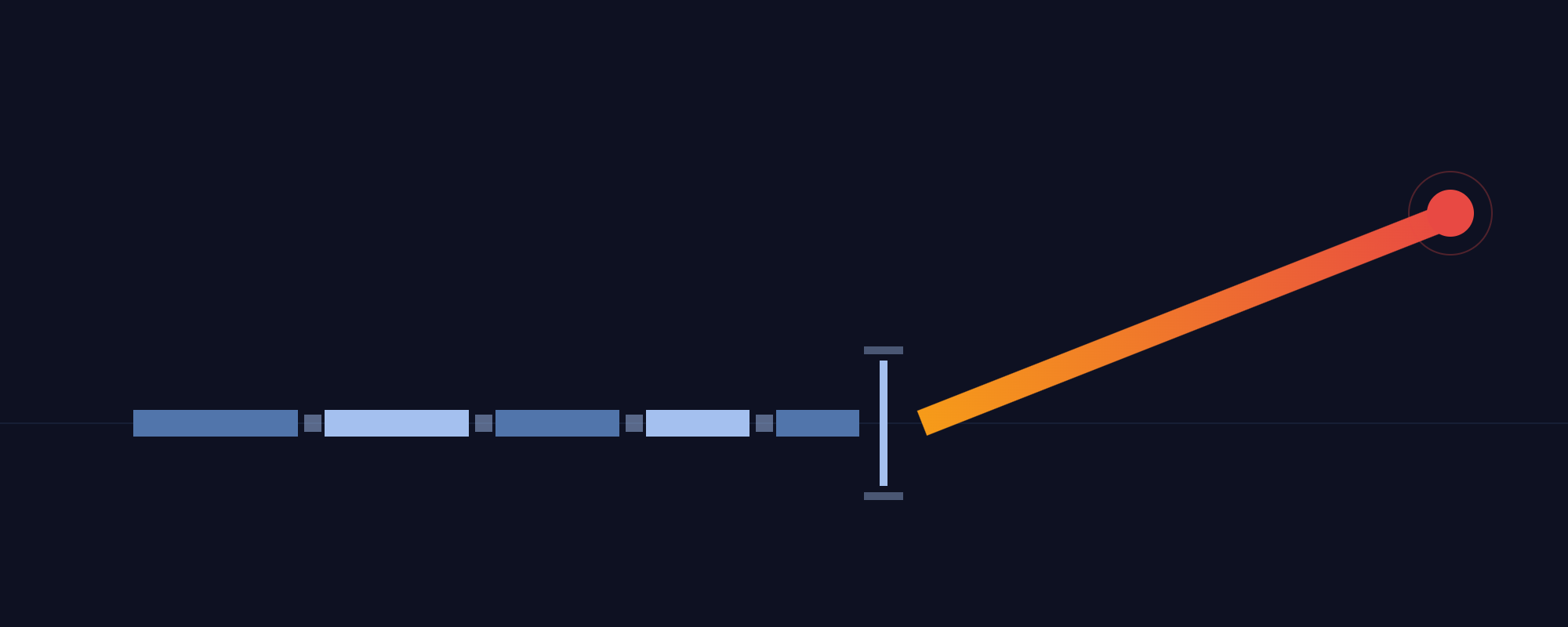
The methodology you already trust is getting a production layer built on top of it. Not to replace it. To enhance every artifact the methodology names.
Richer analysis. Deeper insight per stakeholder group. A stakeholder map that names actual people and tells you what to do next every time you rerun it. An impact translation that flexes to whatever language your stakeholders actually speak. A change narrative with the Shadow Narrative already surfaced. A resistance response that diagnoses root cause instead of piling on more comms and training. A benefits framework that ties every outcome to the specific behaviors that produce it.
More meat for the practitioner to work with. Across the full project lifecycle.
The methodology stays. What changes is that the artifacts stop being what the practitioner types alone in the evenings, and start being what the practitioner and a purpose-built tool produce together in the room where the change is happening.
One honest note. The integration between the methodology you use and this new class of tooling isn't going to build itself. Someone in the field has to. It takes a long history with multiple methodologies, a deep love for the craft of CM, and a real feel for what the new tools can and can't do. That combination is what makes the integration work well, and it's what the field needs right now. Not to replace the methodology. To enhance it.
More on how this maps to your methodology in the pieces ahead.
Something is changing.