Every change program produces dozens of artifacts. Two of them decide whether an impacted stakeholder trusts the change or resists it. That's what your project rides on.
The first is leader and sponsor visibility.
Sponsors and senior leaders are who the organization looks to for the big picture. CM's job is to make them ready. Town halls, all-hands, executive Q&As: the moments leaders speak are the moments credibility is established or lost.
Every change has sacred cows leadership hopes no one raises. The timeline everyone knows will slip. The headcount question no one wants asked. The pilot that quietly failed. Standard practice is to brainstorm tough questions the day before and produce an FAQ nobody reads. Leaders sweat in the wings, hoping no one slaps the sacred cow.
Hope is not a strategy.
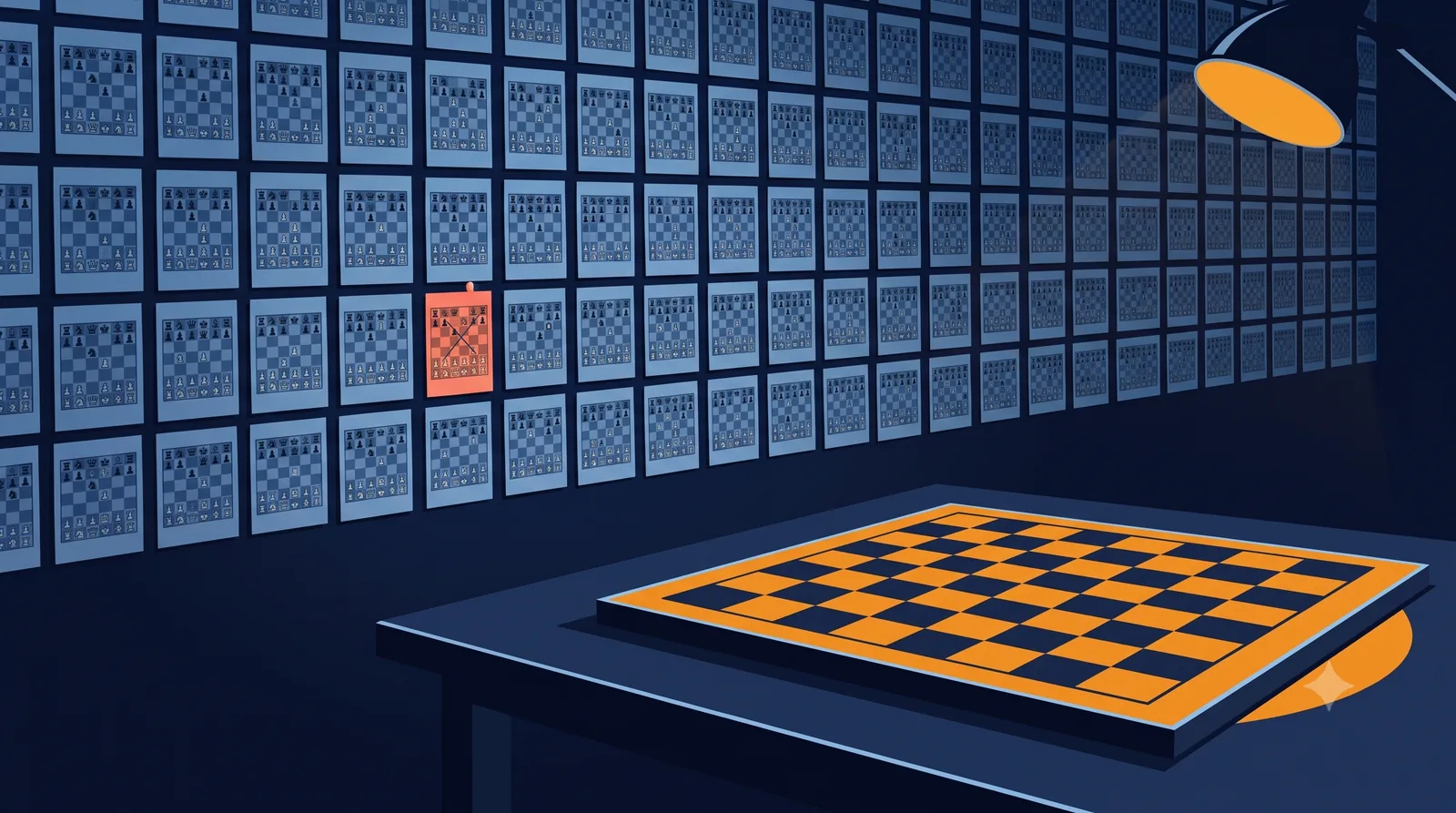
The finished artifact is a leader prepared like a chess grandmaster. Their coach spent months studying the opponent: every opening, every position they retreat to under pressure, every move mapped. They arrive at the board having already seen the game.
Same for the leader. Every audience segment studied. Every sacred cow named with the response rehearsed. Prepared leaders breed confidence. Unprepared leaders breed fear and distrust.
The second is stakeholder engagement.
The industry-standard Change Impact Assessment lists ten aspects of a change, each with a current state, future state, and impact score. Every certified practitioner knows it. Most have learned that on any project, three or four rows are almost always blank.
That's the fixed-template problem. There's a bigger one.
The worksheet is organized the way a practitioner thinks. Systematic. Auditable.
Now think about who the WIIFM is for. The impacted person. Their brain is organized around three questions: what am I losing, what am I being asked to learn, what can I still count on.
That's the finished artifact. A Three-Box view of the change, in the language your stakeholder actually speaks, that answers the three questions their brain is already asking.
Both artifacts have the same shape. The template is the container. The practitioner builds the finished artifact from it, every project, from scratch, alone. The credibility of the change rides on those two moments.
That gap is where the field has been operating for decades.
Something is changing.
Which one is the bigger risk to your next change? The unprepared leader, or the stakeholder engagement that doesn't land?